The Florida Keys stretch over 180 kilometers of island highway, making your choice of base camp more critical than in most destinations. Staying in a centrally located hotel here means faster access to diving sites, fishing marinas, and state parks without spending half your day driving the Overseas Highway. This guide covers five properties across Key Largo, Islamorada, Marathon, and Conch Key - each strategically positioned to reduce transit time and maximize time on the water.
What It's Like Staying in Florida Keys
The Florida Keys operate on a completely different rhythm than mainland Florida - life here is tied to tides, fishing schedules, and sunset times rather than city commutes. The Overseas Highway (US-1) is the only road connecting all islands, which means traffic can stack up significantly between Key Largo and Key West during winter season weekends. Staying centrally - around Islamorada or Marathon - puts you within reach of both the upper and lower Keys without committing to the congestion of Key West itself.
The archipelago draws divers, anglers, snorkelers, and eco-tourists, and the crowd profile is noticeably more activity-focused than beach-lounging. Peak season runs from December through April, when northern visitors flood the islands and prices across all lodging categories climb sharply. Families, couples on fishing trips, and nature-focused travelers get the most out of a Keys stay; visitors expecting nightlife variety or urban dining density may find the options limited outside of Key West.
Pros:
- Unmatched access to coral reef diving, sportfishing, and kayaking directly from waterfront properties
- Central island positioning allows day trips to both Everglades National Park and Key West
- Quieter, low-rise environment with genuinely direct beach and water access at most properties
Cons:
- US-1 is the only artery - traffic delays are common on weekends and holidays with no alternate route
- Dining and grocery options outside Key Largo and Marathon are sparse, requiring advance planning
- Mosquitoes and humidity are intense from June through September, limiting outdoor comfort in summer months
Why Choose a Centrally Located Hotel in Florida Keys
Central hotels in the Florida Keys are not city-center properties in the traditional sense - they are waterfront lodges, fishing resorts, and marina-adjacent inns positioned along the mid-Keys corridor. What they offer that edge-of-Keys properties do not is flexibility: you can reach John Pennekamp State Park in Key Largo, Seven Mile Bridge in Marathon, and Theater of the Sea in Islamorada without committing to a long daily commute. Properties in Islamorada and Marathon typically cost around 20% less than comparable waterfront stays in Key West, while offering equally direct water access and more parking space.
Room sizes at these mid-Keys properties tend to be more generous, with many offering kitchenette-equipped cottages or units with balconies overlooking the water - a format rarely available at Key West's historic district hotels. The trade-off is that you rely entirely on a car; there is no public transit, and Uber availability is limited outside of Key Largo. Most central Keys hotels provide free private parking, which offsets the need for vehicle rentals significantly compared to Key West stays.
Pros:
- Strategically mid-positioned for day trips to both ends of the Keys without excessive driving
- More spacious rooms and cottage-style units with kitchenettes compared to Key West boutique hotels
- Free private parking standard at most properties, reducing total trip cost versus Key West
Cons:
- No walkability - a car is non-negotiable for every meal, activity, and errand
- Limited on-site dining at most properties; self-catering or driving to restaurants is the norm
- Fewer entertainment options within walking distance compared to Key West's Duval Street strip
Practical Booking & Area Strategy for Florida Keys
Key Largo is the northernmost and most accessible island, sitting around 60 kilometers south of Miami, making it the easiest entry point for travelers flying into Miami International or Fort Lauderdale. Marathon is the geographic heart of the Keys and serves as the most practical central base if you plan to explore both ends of the archipelago - Bahia Honda State Park is just 23 kilometers south, and Key Largo's dive sites are reachable within an hour. Islamorada, sitting between the two, is the fishing capital of the Keys and a strong choice for anglers or families wanting a quieter atmosphere than Marathon's more commercial strip.
For diving, John Pennekamp Coral Reef State Park in Key Largo is the flagship attraction and should anchor your itinerary if that's your primary interest. Snorkeling tours, glass-bottom boat trips, and kayak rentals operate daily from marinas throughout the mid-Keys. Book at least 6 weeks ahead for December through March stays - inventory at waterfront properties sells out fast and last-minute rates can be significantly higher. If you're visiting in May or November, you get shoulder-season pricing with minimal weather risk and far lighter crowds on the water.
Best Value Stays
These properties offer direct water access, free parking, and practical amenities at price points that make extended stays in the Keys genuinely feasible without sacrificing location quality.
-
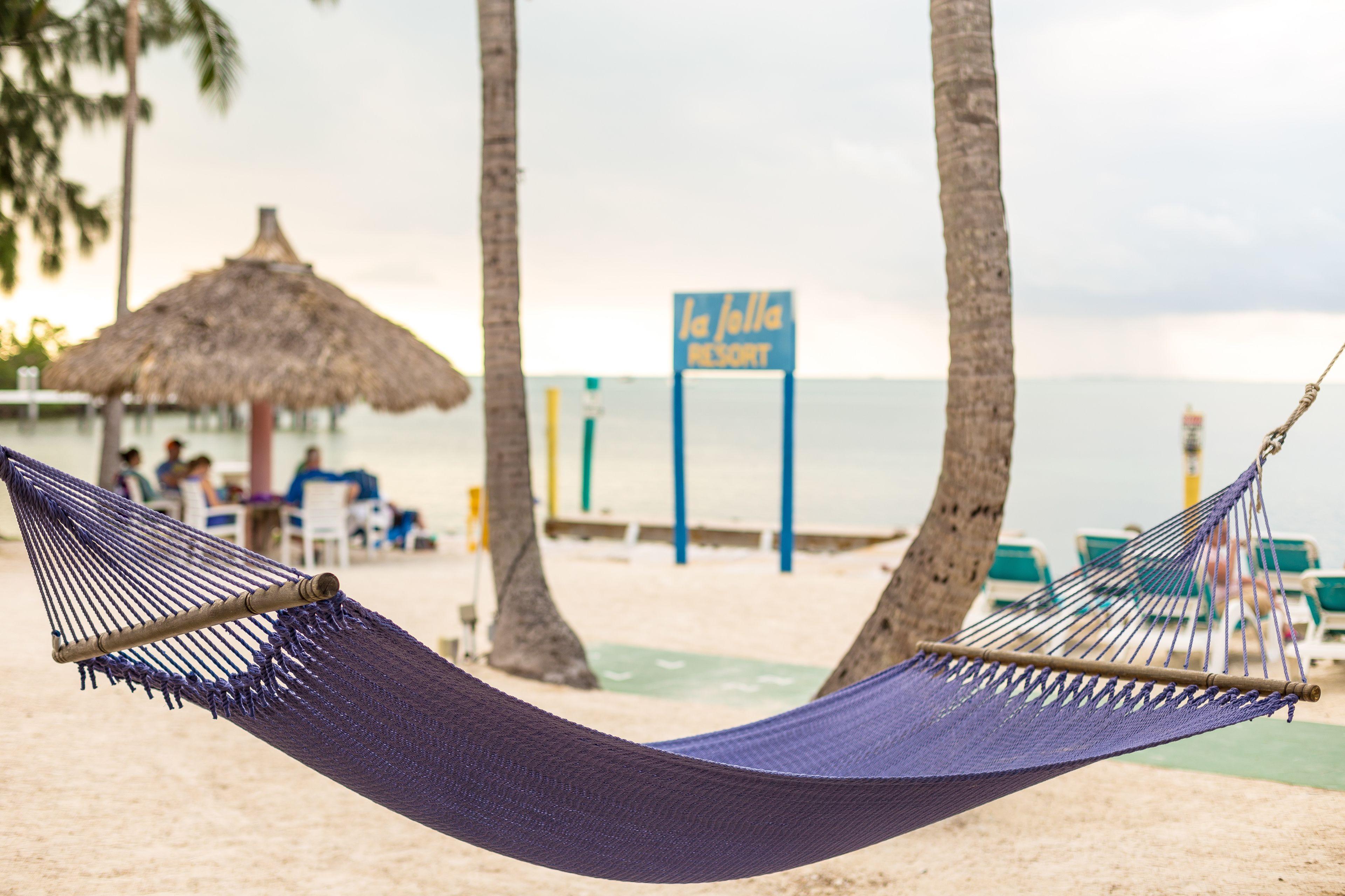
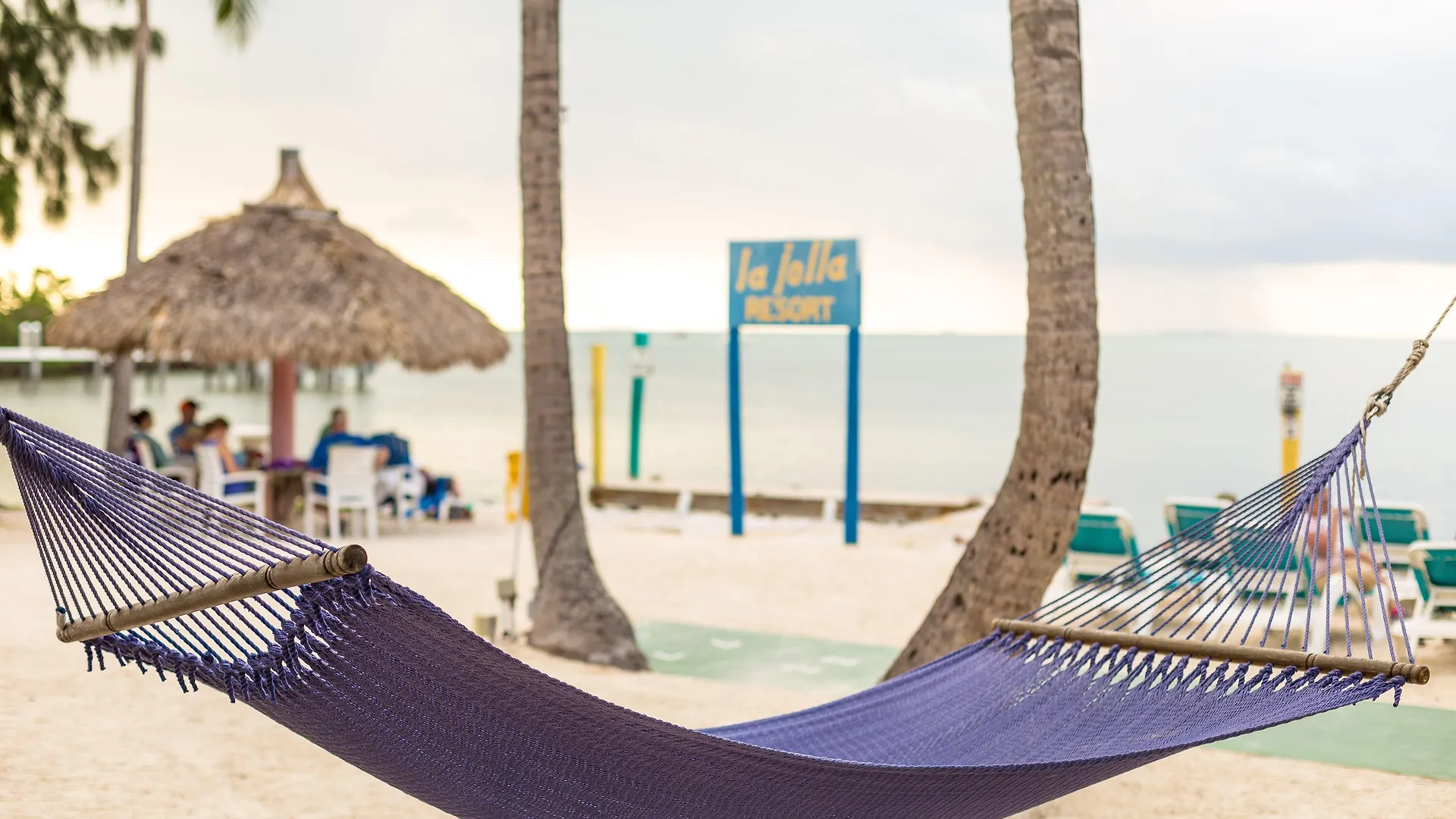
1. La Jolla Resort
Show on map


Just a few rooms left at the best rate!
fromUS$ 181
-
2. Bay Harbor Lodge
Show on map


Just a few rooms left at the best rate!
fromUS$ 191
-
3. Conch Key Fishing Lodge & Marina
Show on map


Hurry – almost gone at this price!
fromUS$ 241
Best Premium Stays
These two properties offer stronger amenity sets, superior positioning relative to major Keys attractions, and additional on-site infrastructure that justifies a higher nightly rate for travelers prioritizing comfort and access.
-
4. Rock Reef Resort
Show on map


Hurry – almost gone at this price!
fromUS$ 279
-
5. Coconut Cay Marina & Rv Park
Show on map


Rooms filling fast – secure the best rate!
fromUS$ 171
Smart Travel & Timing Advice for Florida Keys
January through March is peak season in the Florida Keys - waterfront properties in Islamorada and Key Largo frequently sell out 8 weeks in advance, and nightly rates across all categories are at their highest. The weather during this window is genuinely excellent: low humidity, minimal rain, and water temperatures comfortable for snorkeling. April and May offer a strong alternative - crowds thin noticeably after spring break, prices drop, and dive visibility in Pennekamp remains high before summer storm patterns develop.
Summer (June through August) brings the lowest rates across the Keys, but heat and humidity are intense, afternoon thunderstorms are frequent, and mosquito pressure is at its worst - manageable if you're staying at a property with a pool and spending mornings on the water. A minimum stay of 3 nights is the practical threshold to make a Keys trip worthwhile given drive times from Miami and the density of activities available. For fishing-focused trips, plan around the October-December tarpon and sailfish migration windows for the best on-water productivity in the Islamorada and Marathon zones.
Frequently Asked Questions
- Which of these hotels is best positioned for diving in the Florida Keys?
- Coconut Cay Marina & RV Park in Marathon is the strongest pick for divers, sitting under 4 kilometers from two active dive centers - Captain Hook's Marina Dive Center and A Deep Blue Dive Center. Rock Reef Resort in Key Largo is also excellent, just 4.8 kilometers from John Pennekamp Coral Reef State Park, the premier reef dive site in the Keys.
- Which hotel is the best choice for anglers?
- Conch Key Fishing Lodge & Marina is purpose-built for fishing trips, with direct marina access, a private beach area, and kitchen-equipped rooms ideal for preparing your catch. La Jolla Resort in Islamorada also offers on-site fishing activities and sits in the heart of the Keys' most celebrated sportfishing zone.
- When should I book to get the best rates at these properties?
- Book at least 6 to 8 weeks in advance for December through March stays. For May, June, or September travel, last-minute availability is more common and rates can be around 20% lower than winter peak pricing.
- Do I need a car to stay at any of these hotels?
- Yes - a car is non-negotiable for all five properties. There is no public transit in the Florida Keys, and rideshare availability outside Key Largo is unreliable. All five hotels provide free private parking, which effectively eliminates an extra daily expense compared to Key West stays.
- Which hotel is the best value option in this selection?
- Bay Harbor Lodge in Key Largo offers strong value - free parking, a refrigerator and microwave in all rooms, a private beach and fishing pier, and proximity to Pennekamp State Park and Everglades National Park, all at a rate below the premium waterfront tier.
- Which area is better for a central base - Key Largo, Islamorada, or Marathon?
- Marathon is the most geographically central, making it the best base if you plan to explore both the upper and lower Keys. Key Largo is better if you're primarily interested in diving and Everglades access. Islamorada suits fishing-focused itineraries and travelers wanting a quieter atmosphere than Marathon's commercial corridor.
- Are these hotels suitable for families with children?
- La Jolla Resort, Rock Reef Resort, Bay Harbor Lodge, and Conch Key Fishing Lodge all explicitly offer family rooms. Rock Reef's kayaks, pedal boats, and hammock area are particularly well-suited to families with older children, while La Jolla's private beach and proximity to Theater of the Sea works well for younger kids.
- How many nights is a reasonable stay in the Florida Keys?
- A minimum of 3 nights makes the drive from Miami worthwhile and allows time for at least one diving or snorkeling session, a sunset activity, and a day trip to either Everglades National Park or Seven Mile Bridge. Five nights is ideal if you plan to explore multiple islands across the Keys corridor.